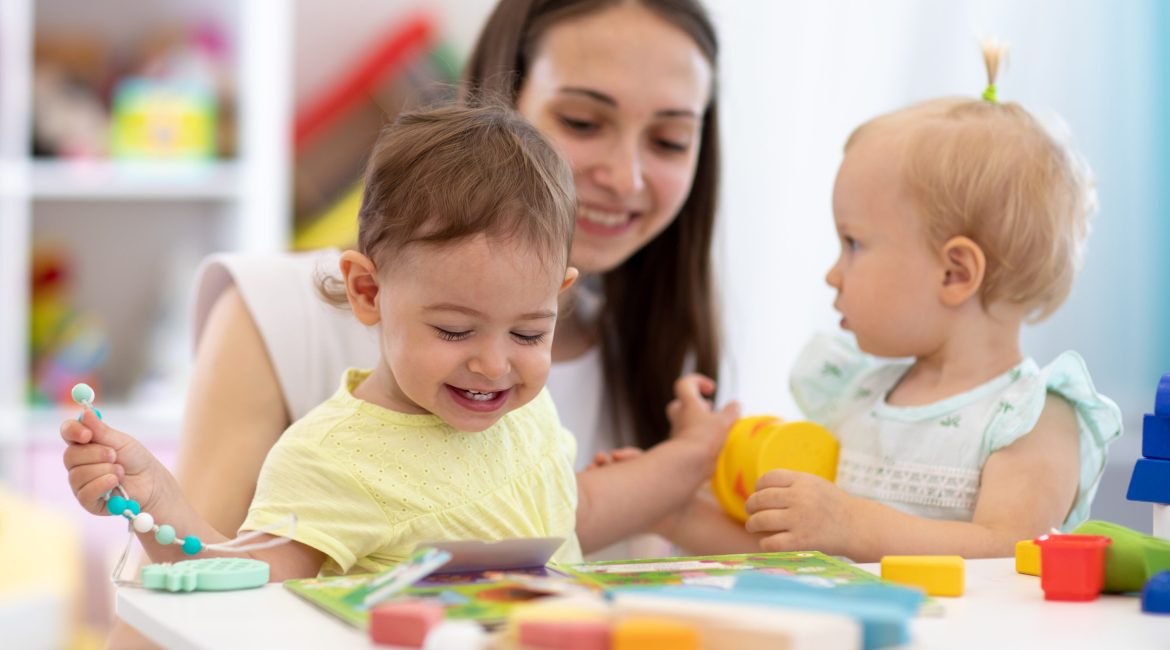
The toddler years are a crucial stage for social and emotional development. During this time, children begin to understand that they are part of a larger world filled with other people who have needs, feelings, and interests of their own. One of the most important skills they must learn before entering school is how to share and cooperate. A high-quality toddlers daycare provides the structured environment necessary to develop these abilities naturally. At Nurturing Childcare in Edmonton, everyday interactions are carefully guided to help young children build the social foundations required for school readiness.
Why Sharing and Cooperation Matter before School
When children start preschool or kindergarten, they are expected to function within a group setting. This means taking turns, following instructions, working alongside peers, and respecting boundaries. Without these skills, children may struggle with frustration, conflict, or isolation.
Toddlers are naturally egocentric — they see the world primarily from their own perspective. Daycare gently expands this viewpoint by providing regular opportunities to interact with peers in meaningful ways. Through daily group activities, children learn that cooperation leads to positive experiences, while aggressive or possessive behavior limits social success.
Learning to Share Through Guided Play
Sharing does not come automatically to toddlers; it must be taught through experience. In a daycare setting, toys, materials, and space are shared resources. This creates natural situations where children must wait, negotiate, or take turns.
Educators play a key role by modeling appropriate behavior and using simple language such as:
- “It’s your turn now, then your friend’s turn.”
- “Let’s play together.”
- “We share the blocks so everyone can build.”
At Nurturing Childcare, teachers intervene calmly and consistently, helping children understand fairness without forcing sudden compliance. Over time, toddlers begin to internalize these expectations and practice sharing independently.
Cooperation through Group Activities
Structured group experiences are powerful tools for teaching cooperation. Activities such as circle time, music sessions, art projects, and clean-up routines require children to work together toward a common goal.
Examples include:
- Building a large block structure as a team
- Singing songs with coordinated actions
- Participating in simple group games
- Cleaning up toys together after playtime
These activities teach children that collaboration can be fun and rewarding. They also develop listening skills, patience, and the ability to follow group instructions — all essential for classroom success.
Developing Emotional Understanding
Sharing and cooperation are closely linked to emotional development. Children must learn to recognize their own feelings as well as the feelings of others. Daycare environments provide daily opportunities to practice empathy.
When conflicts arise, caregivers guide children to express themselves using words rather than physical actions. For example, a child might learn to say, “I want a turn,” instead of grabbing a toy. Over time, this emotional coaching builds self-control and respectful communication.
At Nurturing Childcare in Edmonton, educators focus on creating a warm and supportive atmosphere where children feel safe expressing emotions while learning appropriate social responses.
Building Patience and Self-Control
Waiting for a turn is one of the hardest challenges for toddlers, yet it is essential for school readiness. Daycare routines naturally incorporate short waiting periods — lining up, snack distribution, or turn-based games — that strengthen impulse control.
Through consistent practice, children begin to understand that waiting does not mean losing. Instead, they learn that everyone will have an opportunity. This realization reduces anxiety and promotes fairness.
Conflict Resolution Skills
Disagreements are inevitable when young children play together. Rather than viewing conflict as negative, quality daycare programs treat it as a learning opportunity.
Caregivers guide children through simple problem-solving steps:
- Identify the problem
- Express feelings
- Suggest solutions
- Agree on a fair outcome
These early conflict-resolution skills prepare children for the social complexities of school life, where adult intervention may be less immediate.
Creating a Sense of Community
One of the greatest benefits of toddler’s daycare is the development of belonging. Children begin to see themselves as part of a group with shared rules, routines, and experiences.
Celebrating birthdays, participating in group projects, and engaging in daily rituals foster a sense of community. When children feel connected, they are more willing to cooperate and support one another.
Preparing for a Successful School Transition
Children who have practiced sharing and cooperation in daycare typically adjust more easily to school environments. They are better equipped to:
- Work in groups
- Follow classroom rules
- Build friendships
- Respect teachers and peers
- Manage frustration constructively
These abilities not only improve academic readiness but also contribute to long-term social success.
Conclusion
Toddler’s daycare plays a vital role in shaping the social skills that children need for a smooth transition into school. Through guided play, group activities, emotional coaching, and consistent routines, children learn to share, cooperate, and resolve conflicts in healthy ways. High-quality centers like Nurturing Childcare in Edmonton provide a nurturing environment where these essential life skills develop naturally. By the time children enter school, they are not only academically prepared but also socially confident, emotionally balanced, and ready to thrive in a collaborative learning environment.