
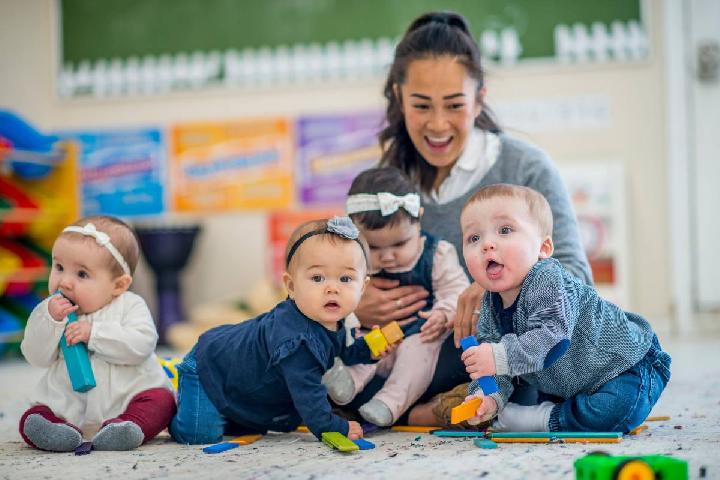
For toddlers, the world is still new, exciting, and sometimes overwhelming. At this stage of rapid growth, children are learning how to move, communicate, make choices, and understand boundaries. One of the most powerful tools that supports this development is a well-structured daily routine. In high-quality daycare environments such as Nurturing Childcare in Edmonton, routine building is not just about keeping children busy — it is a foundational strategy for nurturing independence and ensuring safety.
Why Routine Matters for Toddlers
Toddlers thrive on predictability. When they know what will happen next, they feel secure and confident. A consistent routine reduces anxiety because the child does not have to constantly guess or worry about what comes next. Instead, they can focus their energy on exploring, learning, and developing new skills.
Daily patterns such as arrival time, snack time, playtime, nap time, and outdoor activities help toddlers internalize structure. Over time, children begin to anticipate these transitions, which strengthens memory, emotional regulation, and time awareness — all crucial developmental milestones.
Building Independence Through Consistency
Routine directly supports independence. When activities occur in the same sequence each day, toddlers start participating actively rather than relying entirely on adults.
For example:
- Washing hands before meals becomes a self-initiated action
- Cleaning up toys after play becomes a habit
- Putting on shoes before outdoor time becomes an expected responsibility
In environments like Nurturing Childcare, educators intentionally design routines that allow toddlers to do things for themselves with gentle guidance. This approach builds confidence and problem-solving skills. A child who can follow simple daily patterns begins to feel capable — an essential step toward long-term independence.
Safety Benefits of Structured Routines
Routine is also a powerful safety tool. Toddlers are naturally curious but lack full awareness of danger. Structured schedules create predictable supervision patterns and controlled environments.
Safety advantages include:
1. Reduced Chaos During Transitions
Unstructured transitions can lead to pushing, running, or confusion. When children know it is “cleanup time” or “line-up time,” they move more calmly and cooperatively.
2. Consistent Safety Habits
Daily practices such as hand washing, sitting during meals, or holding hands during walks become automatic behaviors that protect children.
3. Better Supervision
Caregivers can anticipate where each child should be at any given time, making it easier to monitor everyone effectively.
At Nurturing Childcare, routines are carefully planned to balance freedom and safety, allowing toddlers to explore while maintaining secure boundaries.
Emotional Security and Behavior Regulation
Routine does more than organize the day — it stabilizes emotions. Toddlers often struggle with sudden changes, which can trigger tantrums or withdrawal. A predictable schedule helps them transition smoothly between activities.
When children feel emotionally secure, they are more likely to:
- Follow instructions
- Interact positively with peers
- Try new activities
- Develop patience and self-control
This emotional stability is a key factor in creating a safe daycare environment, both physically and socially.
Supporting Social Development
Structured group routines teach toddlers how to function within a community. Waiting for turns, sharing materials, sitting together for story time, and participating in group clean-up all build social skills.
Through daily repetition, children learn cooperation, empathy, and respect for others — abilities that will shape their behavior far beyond daycare years.
Flexibility Within Structure
Importantly, effective routines are not rigid. Skilled educators observe each child’s needs and adjust when necessary. A child who is tired may nap earlier; a child struggling with separation anxiety may need extra comfort during arrival time.
The goal is not strict control but guided predictability — a balance that supports both individuality and group harmony.
Long-Term Impact on Development
Children who grow up with healthy routines often show stronger executive functioning skills later in life. These include planning, organization, impulse control, and the ability to follow multi-step instructions.
By establishing these patterns early, daycare centers help lay the groundwork for success in preschool, school, and everyday life.
Conclusion
Routine building is far more than a scheduling tool — it is a developmental framework that shapes how toddlers learn to navigate the world. Through consistent daily patterns, children gain independence, emotional security, social skills, and essential safety habits.
Quality childcare environments understand that predictable routines empower young children rather than restrict them. By providing structure with warmth and flexibility, centers help toddlers grow into confident, capable, and secure individuals ready to explore the world safely on their own terms.